


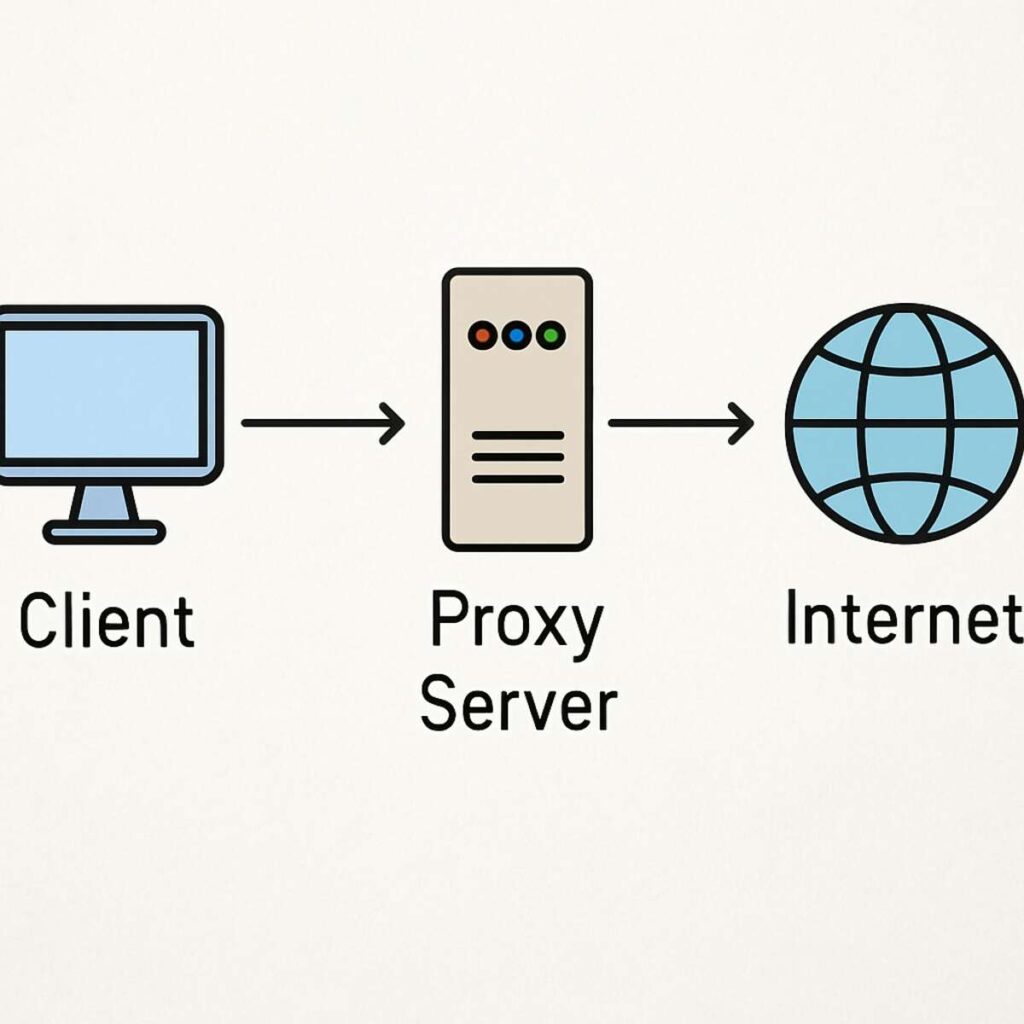
In the rapidly evolving landscape of digital technology, the role of proxy datacenters is becoming increasingly pivotal. As businesses and individuals seek greater privacy and security online, proxy servers play a crucial role in facilitating these needs. This article explores the future of proxy datacenter technology, examining the types of proxies available, their current applications, and future innovations. In doing so, we aim to provide a comprehensive understanding of how these technologies are set to transform digital interactions in the coming years. The best guide to finding residential proxies.
Proxy datacenters serve as intermediaries between end-users and the internet, providing a gateway that users can leverage to maintain anonymity, enhance security, and manage data flow more efficiently. The technological framework of proxy datacenters encompasses a variety of proxy types, each serving distinct functions and applications. Understanding these components is essential for grasping the full potential of proxy technology.
The Role of Proxy Datacenters
Proxy datacenters are strategically positioned to handle immense volumes of data traffic. They act as buffers, managing data requests and responses between users and external servers. This functionality not only enhances performance but also ensures that user data remains secure and private. By intercepting data requests, proxy datacenters can filter, cache, and optimize data, providing an additional layer of security against cyber threats.
Types of Proxies
- Residential Proxies: Residential proxies use IP addresses provided by Internet Service Providers to homeowners. They are considered highly reliable due to their appearance as ordinary user activity. These proxies are often used for tasks that require high anonymity, such as web scraping and accessing geo-restricted content.
- Private Proxies: Also known as dedicated proxies, these are not shared with any other user. They offer a higher level of anonymity and security, making them ideal for sensitive transactions. Private proxies are commonly used in financial services and by businesses that require secure access to sensitive data.
- Datacenter Proxies: Unlike residential proxies, datacenter proxies are not affiliated with an ISP. They are generated in bulk from a secondary corporation and offer high-speed connections, making them suitable for tasks requiring rapid data processing. These proxies are often employed in high-volume transactions and activities that need quick data retrieval.
Benefits of Proxy Datacenters
Proxy datacenters offer several advantages that enhance digital operations. They provide anonymity by masking IP addresses, which is critical for activities that require privacy. Additionally, they can help bypass geo-restrictions, allowing users to access content from different regions. Furthermore, proxy datacenters improve internet performance by caching data and reducing latency, resulting in faster load times and a smoother user experience.
Current Applications of Proxy Servers
Proxy servers are integral to various digital operations. They are extensively used in web scraping, data aggregation, and competitive analysis by businesses to gain insights without revealing their identity. Moreover, proxies support online privacy by masking IP addresses, thus preventing unauthorized tracking and access. As digital needs grow, the applications of proxy servers continue to expand and diversify.
Web Scraping and Data Aggregation
Businesses use proxy servers for web scraping and data aggregation to collect vast amounts of data from the internet. Proxies allow them to gather information without being blocked or detected by target websites. This data is crucial for market analysis, trend prediction, and strategic planning, enabling companies to stay competitive in their industries.
Enhancing Online Privacy
Proxy servers enhance online privacy by hiding users’ real IP addresses, thus preventing unauthorized tracking and access. This anonymity is vital for individuals and businesses that wish to protect their digital footprints. By using proxies, users can browse the internet without fear of surveillance, ensuring their personal and sensitive information remains confidential.
Supporting Secure Transactions
In the realm of e-commerce and financial services, proxy servers play a key role in supporting secure transactions. By providing an additional layer of security, proxies help protect sensitive information from cyber threats. Businesses rely on proxies to ensure that their online transactions are safe from hackers, making them indispensable in the digital marketplace.
The Advancements Shaping Proxy Datacenter Technology
The future of proxy datacenters is poised for significant advancements driven by technological innovations. As the demand for enhanced privacy and security escalates, these advancements will redefine how proxies are deployed and utilized. By staying ahead of these trends, businesses can harness the full potential of proxy technology.
Enhanced Security Protocols
The evolution of cyber threats necessitates the development of robust security protocols within proxy datacenters. Innovations in encryption and authentication will be crucial to safeguarding data integrity and preventing unauthorized access. This will involve leveraging machine learning and artificial intelligence to detect and mitigate potential threats in real-time, ensuring that proxy datacenters remain secure against evolving cyber threats.
Scalability and Efficiency
As internet traffic continues to surge, the need for scalable and efficient proxy solutions becomes imperative. Future proxy datacenters will focus on optimizing resource allocation to manage high volumes of data without compromising performance. This will involve implementing advanced load balancing techniques and dynamic bandwidth management, ensuring that proxies can handle increased demand while maintaining high-speed connectivity.
Integration with Cloud Technologies
The integration of proxy datacenters with cloud technologies will revolutionize their operational capabilities. Cloud-based proxies will offer unparalleled scalability and flexibility, enabling businesses to deploy proxies on-demand and manage them seamlessly. This integration will also facilitate enhanced data analytics, allowing for more informed decision-making processes. By leveraging cloud technologies, proxy datacenters can provide more dynamic and responsive solutions to meet the needs of modern businesses.
Ethical Considerations and Regulations
The growth of proxy technology will inevitably raise ethical and regulatory concerns. Future developments will need to address issues related to data privacy, user consent, and compliance with global data protection laws. Establishing transparent policies and practices will be essential to maintaining trust and credibility in proxy solutions. Companies must navigate these challenges carefully to ensure that their use of proxies aligns with legal and ethical standards.
The Impact on Global Internet Usage
The evolution of proxy datacenter technology will have far-reaching implications for global internet usage. As more users and organizations adopt proxies for privacy and security, the internet landscape will undergo significant transformation. Understanding these changes is crucial for businesses and individuals looking to adapt to the new digital environment.
Empowering Users with Greater Control
Proxy datacenters will empower users with greater control over their digital footprint. By anonymizing online activities, proxies will enable individuals to navigate the internet without fear of surveillance or data breaches. This will be particularly beneficial in regions with restrictive internet policies, fostering greater freedom of expression and access to information. Users will have the autonomy to choose how their data is shared and used online.
Transforming Business Operations
For businesses, the future of proxy technology will transform operations by enabling secure data transactions and competitive intelligence gathering. Companies will be able to conduct market research, monitor trends, and engage with global audiences more effectively. Additionally, proxies will facilitate seamless remote work environments, ensuring secure access to corporate resources from any location. This transformation will lead to more agile and resilient business models, capable of adapting to changing market conditions.
Fostering Innovation and Collaboration
The advancements in proxy datacenter technology will foster innovation and collaboration across industries. By providing secure and reliable communication channels, proxies will support the development of new digital solutions and services. This will drive economic growth and create opportunities for businesses to expand their reach and impact. Collaborative efforts across sectors will lead to the creation of innovative products and services that leverage the strengths of proxy technology.
Preparing for the Future of Proxy Datacenters
As we look towards the future of proxy datacenter technology, it is essential for stakeholders to prepare for the changes ahead. This involves investing in research and development to stay abreast of technological trends and ensuring compliance with emerging regulations. By taking proactive steps, businesses and individuals can position themselves to leverage the benefits of proxy technology.
Strategies for Businesses and Individuals
- Stay Informed: Keep up-to-date with the latest developments in proxy technology and understand how they can benefit your operations. By staying informed, businesses can anticipate changes and adapt their strategies accordingly.
- Invest in Security: Prioritize security measures to protect your data and maintain trust with your clients and partners. Investing in robust security protocols will help safeguard sensitive information from cyber threats.
- Embrace Cloud Integration: Explore cloud-based proxy solutions to enhance scalability and streamline management. Cloud integration offers flexibility and efficiency, allowing businesses to respond quickly to changing demands.
- Engage in Ethical Practices: Adhere to ethical standards and regulations to ensure responsible use of proxy technology. By maintaining transparency and accountability, businesses can build trust with their users and stakeholders.
Conclusion
The future of proxy datacenter technology holds immense potential to reshape the digital landscape. By embracing advancements in security, scalability, and integration, proxies will continue to play a critical role in enhancing privacy, security, and efficiency online. As we navigate this evolving terrain, businesses and individuals must stay informed and prepared to harness the full potential of proxy solutions. The journey towards a more secure and private internet experience is just beginning, and proxy datacenters are at the forefront of this transformation. Embracing these changes will be key to thriving in the digital future.